Highway Drainage Inspection: How CCTV Keeps Roads Safe
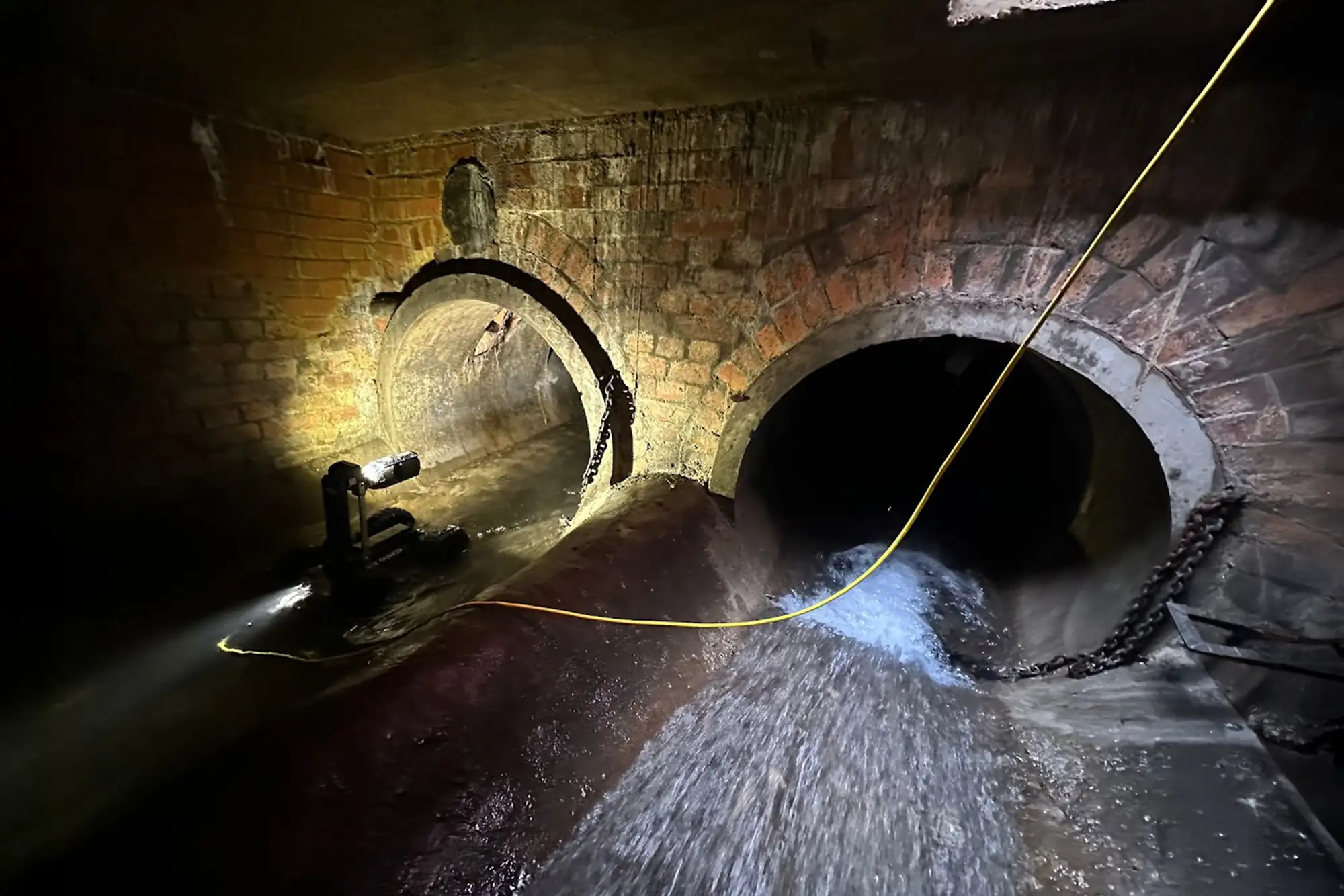
CCTV inspection is the standard way to find out what is happening inside highway drainage: carrier drains, gully connections, filter drains and culverts that cannot be seen from the surface. It tells highway authorities and contractors where pipes are blocked, broken or silted, so maintenance budgets go where they reduce flooding and pavement damage most. This guide explains how a highways CCTV survey works and how to get the most from the data.
Why Highway Drainage Matters for Safe Roads
Standing water and aquaplaning when gullies and carrier drains cannot clear rain quickly.
Pavement failure. Water in the sub-base weakens it and accelerates potholes; see pothole and pavement repairs.
Voids and collapses where broken pipes wash out surrounding material; see GPR void detection.
Flooding of adjacent property. The Environment Agency estimates 4.6 million properties in England are in areas at risk of surface water flooding, and road drainage is part of that picture.
The weather is making this harder: the Met Office reports the October–March half-year in 2016–2025 was 13% wetter than 1961–1990.
How a Highways CCTV Drainage Survey Works
Plan and permit. Agree the scope, obtain street works permits and design traffic management. Work on the strategic road network follows National Highways requirements.
Clean. Lines are jetted and silt removed so defects are visible; see drain jetting and gully cleaning.
Inspect. A crawler or push-rod camera travels each length, recording video, distance and stills.
Code. Defects are coded to a recognised standard (WRc MSCC5 for pipes) with structural and service grades.
Map and upload. Assets and condition are mapped and, for National Highways schemes, delivered in a format suitable for the Drainage Data Management System; see our DDMS surveys.
What the Survey Finds
| Finding | Typical action |
|---|---|
| Silt, debris and root ingress | Jetting, robotic cutting |
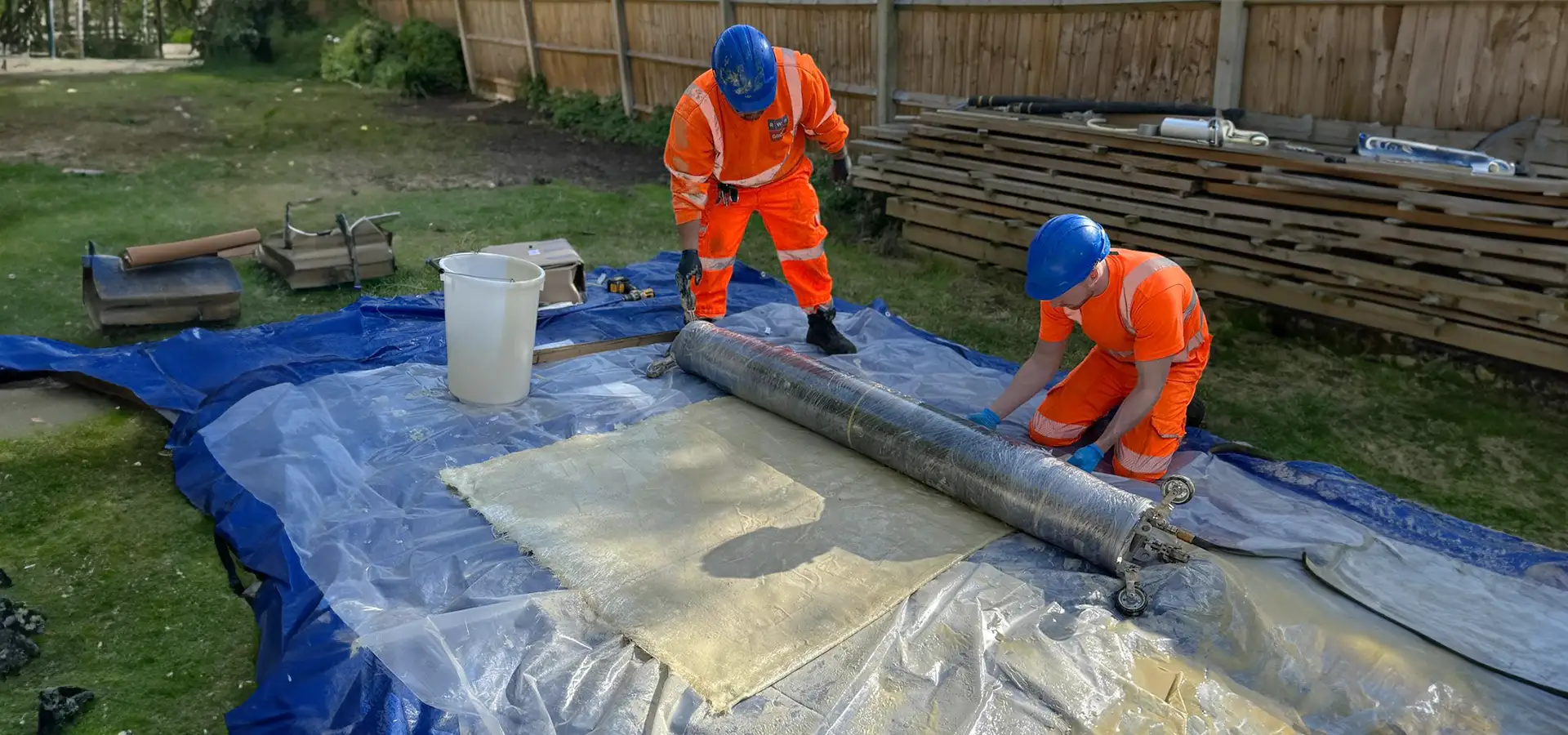
| Cracks, fractures and open joints | Patch repair or CIPP lining |
| Collapse or severe deformation | Excavation and replacement |
| Missing or disconnected gully connections | Reconnection; gully and catch pit works |
| Unknown outfalls or culverts | Culvert inspection and mapping |
When to Survey
Cyclic condition surveys to build and maintain the asset register.
After flooding or complaints to find the cause.
Before resurfacing or reconstruction, so drainage repairs are done before new surfacing goes down.
At handover of new or adopted drainage.
Frequently Asked Questions
How Much Can Be Surveyed in a Shift?
It depends on access, traffic management, pipe size and how much cleaning is needed. Combining cleaning and survey crews under one closure is usually most efficient.
Can Surveys Be Done at Night?
Yes. Many highways surveys are done at night or under off-peak closures to reduce disruption.
Plan Your Highways Drainage Survey
Civil Connect Subsurface Solutions provides CCTV, DDMS, cleaning and no-dig repair for local highway authorities, National Highways supply chains and contractors. See commercial CCTV drain surveys, highways drainage, contact us or call 0208 387 5591.
For network-wide highway drainage condition data, see DDMS highway drainage surveys. For sewers and site drainage, see commercial CCTV drain surveys.
Talk to a specialist
Need Expert Support with Your Drainage or Subsurface Assets?
From surveys and mapping to trenchless repairs and 24/7 response, our engineers deliver nationwide.