Why Every Business Should Understand Its Drainage System
Every business with premises has drainage it is responsible for, and when it fails the cost is rarely just the repair: closures, damaged stock, pollution incidents and, in some cases, enforcement action. Knowing where your drains run, what condition they are in and what goes into them is as much part of business continuity as fire safety or IT resilience. This guide explains what businesses are responsible for and how to manage it.
What Is a Business Responsible For?
As with any property, responsibility usually depends on where a pipe is and whether it is shared. Ofwat explains that since 1 October 2011, responsibility usually ends at the boundary of the property. Pipes inside the site that serve only your premises, including interceptors, grease traps, pumping stations and surface water systems, are normally yours (or your landlord’s, depending on the lease). Shared sewers and those beyond the boundary normally belong to the sewerage company.
Why It Matters
Operational Disruption
Blockages and floods close kitchens, washrooms, warehouses and car parks. Collapsed drains can undermine slabs and yards.
Legal Duties
It is an offence to put into a public sewer any matter likely to injure the sewer or interfere with the free flow of its contents (Water Industry Act 1991, section 111). Discharging trade effluent to sewer normally needs consent from the sewerage company, and polluted surface water reaching a watercourse can lead to Environment Agency enforcement.
Fat, Oil, Grease and Wipes
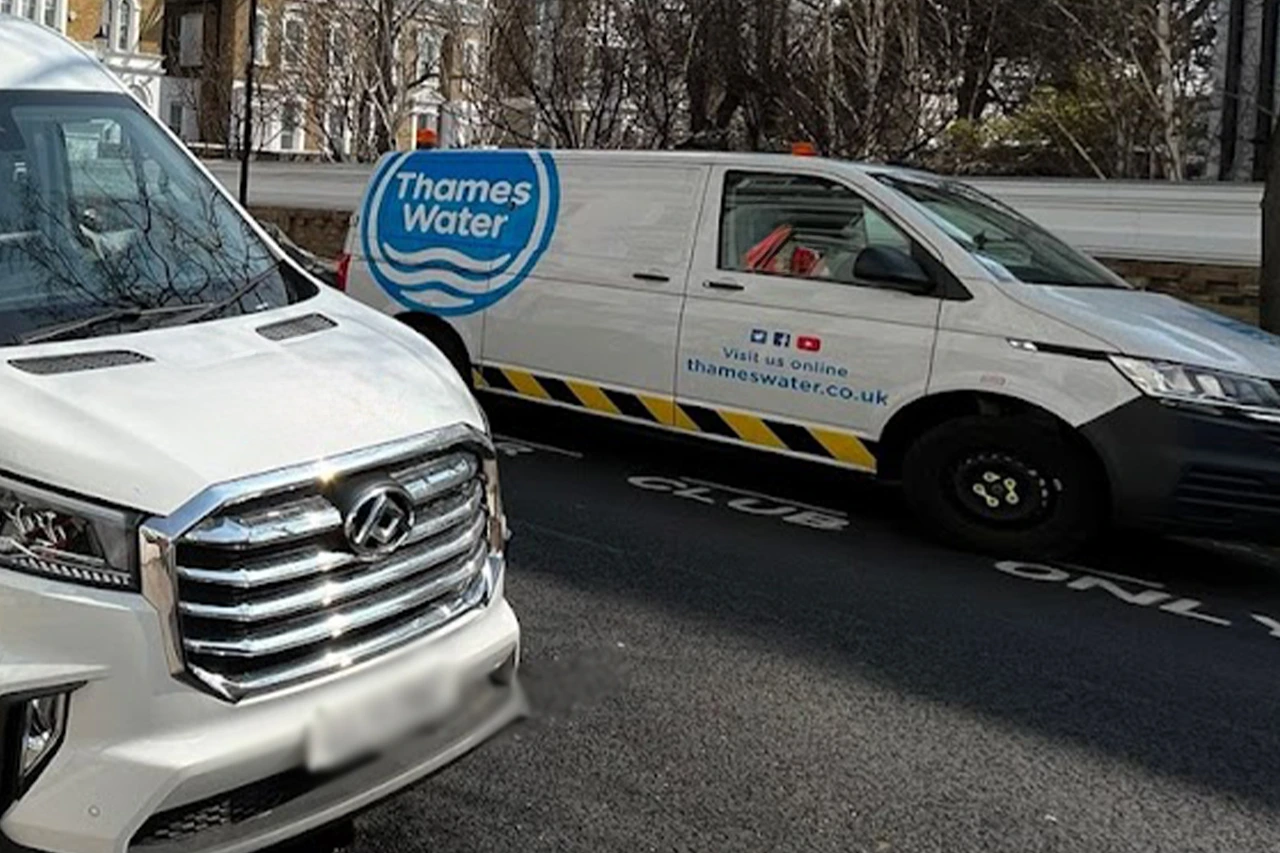
Thames Water says fats, oils and grease account for 28% of blockages on its network, and Water UK reports around 300,000 sewer blockages across the UK every year. Food businesses, hotels, care homes and canteens are in the front line.
A Practical Drainage Management Plan
Map the system. A CCTV survey and drainage mapping give you a record of runs, manholes, interceptors and outfalls.
Grade the condition and prioritise repairs; many can be done without digging using no-dig lining or patch repairs.
Schedule maintenance: jetting, interceptor and wet well cleaning and gully cleaning at frequencies set by risk and use.
Control what goes in: grease management, staff awareness on wipes and sanitary products, and spill kits near yard gullies.
Plan the emergency response with an agreed 24/7 callout and tanker provider.
Keep records for insurers, landlords and regulators, ideally within a PPM programme.
How Often Should Commercial Drains Be Maintained?
It depends on use. Offices may need an annual check; commercial kitchens, food production and sites with interceptors usually need more frequent cleaning and inspection. A condition survey is the best basis for setting frequencies.
Frequently Asked Questions
Is the Landlord or Tenant Responsible for Drains?
It depends on the lease. Check repairing obligations; many full repairing leases place drainage on the tenant.
Do We Need a Grease Trap?
Commercial kitchens are generally expected to have effective grease management. Your sewerage company and local authority can advise on requirements.
Talk to Us
Civil Connect Subsurface Solutions provides drainage surveys, planned maintenance, repairs and 24/7 response for commercial, industrial and public sector sites nationwide. Contact us or call 01442 966880.
Talk to a specialist
Need Expert Support with Your Drainage or Subsurface Assets?
From surveys and mapping to trenchless repairs and 24/7 response, our engineers deliver nationwide.